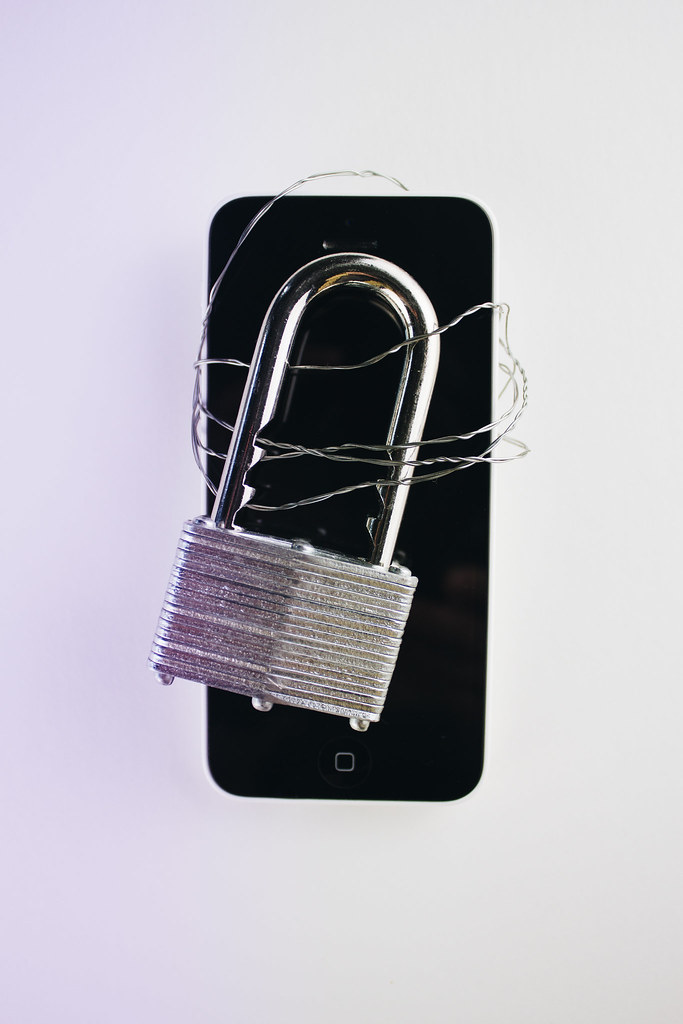
The $74 Billion Ransomware Tipping Point: Why 2026 Will Be the Year We Can’t Ignore
A projected global damage figure that signals a fundamental shift in how cybercriminals operate—and how organizations must respond.

Imagine a single, invisible tax levied on the global economy—one that costs businesses, governments, and individuals more than the GDP of a small country. By 2026, that tax is projected to reach $74 billion, according to a widely cited estimate from Cybersecurity Ventures. That figure represents the total damage from ransomware: ransom payments, lost productivity, system repairs, legal fees, and reputational harm.
But here’s the uncomfortable truth: the headline number, while staggering, is almost secondary. What matters more is why the cost is accelerating so sharply, and what that acceleration reveals about the evolving nature of cybercrime. Ransomware is no longer a smash-and-grab operation run by lone hackers. It has matured into a sophisticated, data-driven, AI-enhanced industry—and 2026 may be the year the world fully wakes up to its systemic risk.
The Anatomy of a $74 Billion Problem
To understand the scale, consider what “damage” actually includes. It’s not just the ransom itself—which, according to recent reports, averages hundreds of thousands of dollars per incident for mid-sized organizations. The real cost cascades:
- Downtime and lost revenue: A hospital hit by ransomware can’t schedule patients or access medical records. A manufacturer’s assembly line halts. Every hour of downtime compounds losses.
- Recovery and remediation: Restoring encrypted data from backups, rebuilding compromised systems, and hiring incident response teams all carry steep price tags.
- Legal and regulatory fallout: Data breaches often accompany ransomware attacks. Under regulations like GDPR or CCPA, failing to protect customer data can result in fines and class-action lawsuits.
- Reputational damage: Trust is hard to rebuild. Companies that suffer a public breach may lose customers, partners, and investor confidence for years.
When you sum these factors across thousands of incidents globally—affecting healthcare, energy, finance, education, and critical infrastructure—$74 billion starts to look not just plausible, but conservative.
Why 2026? The Perfect Storm Is Already Brewing
Several converging trends are pushing ransomware damage toward that $74 billion mark. The first is the weaponization of artificial intelligence. As noted in a June 2026 report from the World Economic Forum, “AI data breaches are on the rise, with hackers increasingly using the technology to detect software vulnerabilities.” This is a game-changer. Attackers no longer need to manually probe for weaknesses; AI tools can scan codebases, identify exploitable flaws, and even generate custom phishing emails that mimic a specific executive’s writing style.
Second, ransomware-as-a-service (RaaS) has lowered the barrier to entry. Would-be criminals with no technical skill can now rent ransomware kits from dark-web marketplaces, paying a cut of the ransom to the developers. This has expanded the pool of attackers exponentially, turning cybercrime into a distributed, global enterprise.
Third, the shift to remote and hybrid work has expanded the attack surface. Every employee’s home router, personal device, and VPN connection is a potential entry point. And many organizations still struggle with basic hygiene: unpatched software, weak passwords, and insufficient multi-factor authentication.
The New Playbook: Double Extortion and Beyond
Ransomware tactics have evolved far beyond simply encrypting files. The modern playbook often involves double extortion: attackers exfiltrate sensitive data before encrypting the system, then threaten to leak it publicly if the ransom isn’t paid. This puts victims in an impossible bind—even if they have backups, the threat of data exposure remains.
More recently, a triple-extortion variant has emerged, where attackers also notify customers, regulators, or the media directly, amplifying pressure. In some cases, they launch distributed denial-of-service (DDoS) attacks against the victim’s website simultaneously, compounding chaos.
The result? Victims are more likely to pay—and to pay larger sums. According to data from SentinelOne’s 2026 breach statistics, ransomware remains a leading cause of data breaches, alongside human error and AI-powered phishing. The financial incentives for attackers are clear, and the cycle feeds itself.
Who Bears the Brunt? It’s Not Just Big Corporations
While headlines often focus on Fortune 500 companies, small and medium-sized businesses (SMBs) are disproportionately affected. They lack dedicated security teams, have fewer resources for backups and training, and are often viewed as easier targets. A single ransomware attack can wipe out a small business entirely.
Critical infrastructure is another vulnerable sector. Hospitals, power grids, water treatment plants, and transportation systems are increasingly connected—and increasingly targeted. The stakes here are not just financial but human. A ransomware attack on a hospital can delay life-saving care. An attack on a power grid can leave thousands in the dark.
Governments are taking notice. In 2025 and 2026, several countries have introduced stricter reporting requirements for ransomware payments, while law enforcement agencies have stepped up takedowns of ransomware gangs. But the problem is global and borderless; a gang operating out of one jurisdiction can target victims in another, complicating prosecution.
The Human Factor: Why Technology Alone Can’t Save Us
It’s tempting to think that better antivirus software or next-generation firewalls will solve the problem. But the weakest link in any security chain remains the human. Phishing emails trick employees into clicking malicious links or sharing credentials. AI-generated deepfake audio and video are now used to impersonate executives and authorize fraudulent transfers.
Training and awareness are critical, but they are not silver bullets. Humans get tired, distracted, or rushed. The most effective defense is a layered one: robust technical controls, regular backups stored offline, incident response plans that are tested (not just written), and a culture where reporting a suspicious email is rewarded, not punished.
What $74 Billion Buys: A Wake-Up Call or a New Normal?
If the projection holds, 2026 will mark a watershed moment. The question is whether the world reacts with complacency or urgency. On the positive side, the rising cost is driving innovation in cybersecurity: AI-based threat detection, zero-trust architectures, cyber insurance that incentivizes better hygiene, and international cooperation frameworks are all gaining traction.
But the attackers are innovating too. They are using generative AI to craft more convincing lures, automating reconnaissance, and even targeting backup systems to make recovery impossible. The arms race is real, and it is accelerating.
The Takeaway: A Call for Proactive Defense
The $74 billion figure is not a prediction of doom; it is a forecast of consequence. It reflects the aggregate result of thousands of individual decisions—by attackers, defenders, executives, and policymakers. The cost can be reduced, but only if organizations stop treating cybersecurity as an IT issue and start treating it as a core business risk.
That means investing in prevention, yes, but also in resilience. Assume a breach will happen. Plan for it. Practice your response. Back up your data—and then back up the backups. And never underestimate the value of a well-trained employee who hesitates before clicking.
Ransomware’s cost to the world in 2026 will be whatever we collectively allow it to be. The number is not inevitable. It is a choice.