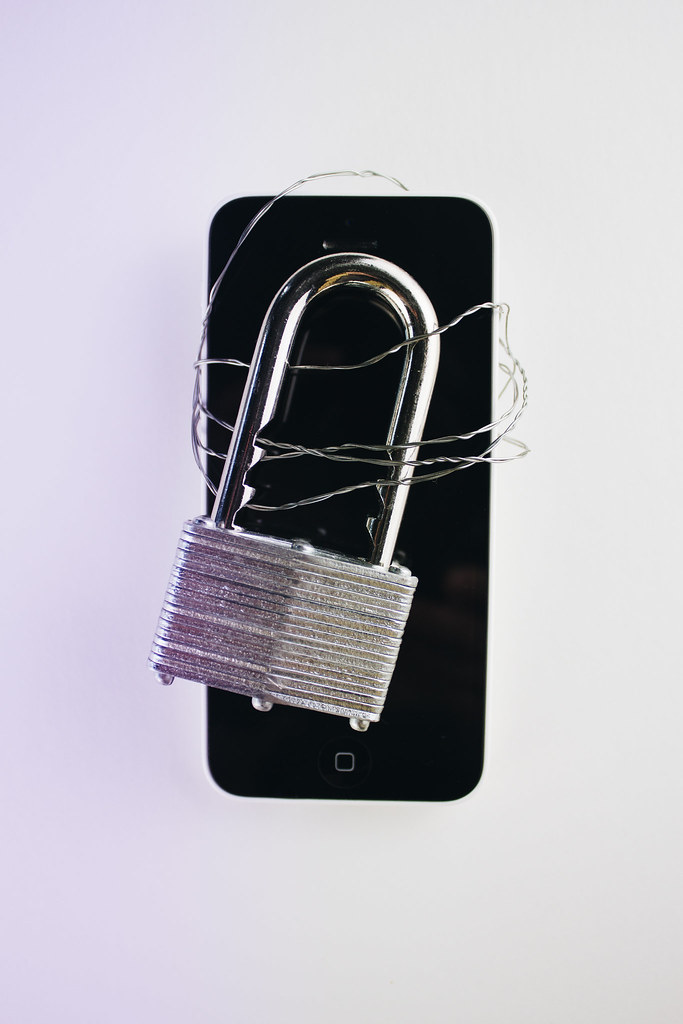
Ransomware's $74B Toll: How Cybercrime Became a Global Economic Crisis
The projected cost of ransomware damage in 2026 reveals a systemic threat that demands a radical shift in how organizations defend their digital assets.

Imagine a toll booth on every major highway in the world. To pass, you pay a fee—not to a government, but to a criminal syndicate. That is the reality of the internet in 2026. By the end of this year, ransomware damage is projected to hit $74 billion, according to Cybersecurity Ventures. That figure is not just a number; it is a symptom of a fundamental failure in how we architect, secure, and insure the digital economy.
This article unpacks why ransomware has evolved from a nuisance into a systemic economic threat, what is driving the cost explosion, and what organizations can do to stop feeding the machine.
The Anatomy of a Billion-Dollar Problem
Ransomware is not a single technique but a business model. Attackers infiltrate a network, encrypt critical data, and demand payment for the decryption key. The damage, however, extends far beyond the ransom itself. The $74 billion figure includes:
- Downtime and lost productivity – Hospitals cannot treat patients. Manufacturers cannot ship products. Retailers cannot process payments.
- Data restoration and forensic investigation – Cleaning up after an attack costs more than preventing one.
- Legal fees, regulatory fines, and lawsuits – Regulations like GDPR and emerging U.S. state laws hold companies accountable for failing to protect data.
- Reputational damage and customer churn – Trust, once broken, takes years to rebuild.
According to SentinelOne's 2026 data breach statistics, ransomware is now one of the three primary drivers of global data breaches, alongside human error and AI-powered phishing. The report notes a 3% month-over-month increase in breaches, compounding into a staggering annual growth rate.
Why the Cost Is Exploding: Three Structural Drivers
1. Ransomware-as-a-Service (RaaS) Lowers the Barrier to Entry
In the past, launching a ransomware attack required deep technical skill. Today, criminal marketplaces sell ready-made ransomware kits, complete with customer support and profit-sharing models. This "as-a-service" economy means that a teenager with a Bitcoin wallet can paralyze a mid-sized company. The supply of attackers has exploded, and with it, the volume of attacks.
2. AI Accelerates Vulnerability Discovery
Artificial intelligence is a double-edged sword. Defenders use it to detect anomalies; attackers use it to find weaknesses faster. The World Economic Forum reported in June 2026 that hackers are increasingly using AI to scan software for flaws, automating what once took weeks of manual reconnaissance. As one cybersecurity analyst put it, "AI data breaches are on the rise, with hackers increasingly using the technology to detect software vulnerabilities."
This asymmetry matters. A defender must protect every entry point. An attacker only needs to find one. AI tilts the playing field further toward the attacker.
3. Critical Infrastructure Remains Fragile
Hospitals, energy grids, water treatment plants, and transportation systems run on legacy software that was never designed for a hostile internet. Patching these systems is expensive and risky—a hospital cannot easily reboot its MRI machine to install a security update. Attackers know this. They target organizations where downtime is literally life-threatening, calculating that the victim will pay quickly.
The Real Cost: Beyond the Ransom
A common misconception is that paying the ransom solves the problem. It does not. Only about 60% of organizations that pay recover their data fully, according to industry estimates. The rest lose data permanently or find that the attackers left behind backdoors for future extortion.
Worse, paying the ransom funds the next attack. Ransomware is a recursive loop: every payment is venture capital for the cybercriminal ecosystem. The $74 billion projection is not just a loss; it is an investment in future attacks.
What Organizations Can Do: From Reaction to Resilience
The traditional approach—buy more security tools, train employees annually, and hope for the best—is failing. The data proves it. A 3% monthly increase in breaches means that whatever we are doing is not working. Here is what does.
Adopt a Zero-Trust Architecture
Zero-trust means never trust, always verify. Every user, device, and connection must prove its legitimacy, even inside the corporate network. This limits lateral movement. If an attacker compromises one workstation, they cannot automatically access the file server or the database.
Prioritize Offline, Immutable Backups
The single most effective defense against ransomware is the ability to restore systems without paying. Backups must be offline (disconnected from the network) and immutable (cannot be modified or deleted by an attacker). Test restoration regularly. A backup that has never been restored is a hope, not a plan.
Practice Crisis Response, Not Just Prevention
Most organizations invest heavily in prevention but neglect response. Tabletop exercises—simulated ransomware attacks—reveal gaps in communication, decision-making, and technical recovery. The goal is not to avoid every attack but to survive one with minimal damage.
Rethink Cyber Insurance
Insurance premiums are skyrocketing because losses are predictable. Insurers now demand minimum security controls—multifactor authentication, endpoint detection, regular patching—before offering coverage. Organizations that treat insurance as a substitute for security will find themselves uninsurable or bankrupt.
The Bigger Picture: A Collective Action Problem
Ransomware is not just a technology problem; it is an economic and policy problem. The $74 billion toll is a tax on innovation. It slows digital transformation, raises costs for everyone, and erodes public trust in the systems that underpin modern life.
Governments are beginning to act. The 2026 Global Data & Cyber Handbook from Baker McKenzie, which covers over 50 jurisdictions, shows a patchwork of new regulations mandating breach notification, data protection, and incident response planning. But regulation alone cannot stop criminals who operate across borders.
The uncomfortable truth is that ransomware persists because it works. As long as paying is easier than not paying, the attacks will continue. Breaking that cycle requires a shift in mindset: from seeing cybersecurity as an IT cost to recognizing it as a core business risk that demands board-level attention, sustained investment, and a willingness to absorb short-term pain for long-term resilience.
The Takeaway
The $74 billion ransomware damage projection for 2026 is not a prediction to fear but a signal to act. The cost will continue to rise until organizations stop treating security as a checkbox and start treating it as a fundamental design principle. The choice is stark: invest in resilience now, or pay the toll later—compounded with interest.