The Game That Defined 2026: Why *Hollow Knight: Silksong* Finally Delivered
After years of anticipation, Team Cherry's masterpiece redefined what a sequel can be, blending precision platforming with a hauntingly beautiful world.

For years, the gaming community whispered about a mythical sequel. Hollow Knight: Silksong was the ghost in the machine of every summer showcase, promised but never quite arriving. Then, in a surprise drop during Summer Game Fest 2026, it was here. And it didn't just meet expectations; it shattered them. This isn't just another game of the year contender. It's a case study in how to build a sequel that respects its roots while fearlessly evolving, and it’s the one release in 2026 that every professional—whether you play games or study them—needs to understand.
The Art of the Long Wait
The hype cycle for Silksong was a masterclass in community management, or perhaps a cautionary tale. Originally announced in 2019 as a stretch goal for a Kickstarter, it became a running joke, a symbol of vaporware. When it finally launched on June 5, 2026, during the Summer Game Fest live broadcast from the Dolby Theatre in Los Angeles, the collective gasp was audible across social media. Geoff Keighley and Lucy James hosted the reveal, and within minutes, the game was available on all major platforms. The strategy was bold: no pre-order campaign, no review embargos, just a release. It worked because the product was ready.
What Makes Silksong Different
At its core, Silksong is a Metroidvania, a genre defined by a sprawling, interconnected map that rewards exploration with new abilities that unlock previously inaccessible areas. The original Hollow Knight was a near-perfect execution of this formula. The sequel, however, does something rare: it changes the protagonist and the core mechanic without losing the soul of the series.
You play as Hornet, a character from the original who was a boss and a rival. Now she is the hero, and her movement is fundamentally different. Where the Knight was a slow, deliberate tank, Hornet is a nimble, aggressive fencer. Her primary attack is a needle and thread, allowing for mid-air dashes, grappling hooks, and a unique 'bind' system that can immobilize enemies or create platforms. This shift transforms combat from a careful dance of dodging and countering into a high-speed, acrobatic ballet. The game demands precision, but it rewards aggression. This isn't a simple reskin; it’s a mechanical reinvention.
The World of Pharloom
The setting is Pharloom, a kingdom of silk and song, a stark contrast to the decaying, insectoid ruins of Hallownest. The art style is more vibrant, with deep purples, golds, and crimson dominating the palette. The music, composed by Christopher Larkin, is more melodic and less mournful, reflecting Hornet's more active role in the story. The narrative is delivered through environmental storytelling and brief, cryptic dialogue, a hallmark of Team Cherry's approach. You are not told why Hornet is there; you discover it through exploration. This respect for the player's intelligence is a key reason the game resonates.
A Critical Analysis of the Hype
It is tempting to call Silksong flawless, but that would be a disservice to the craft. The difficulty curve is steep, even by Hollow Knight standards. Some players will find the early game punishing, as Hornet's starting health pool is smaller than the Knight's. The map, while beautiful, is also more deliberately confusing. There are fewer signposts, and the fast-travel system is unlocked later than in the original. This is a game that demands patience and persistence. For a casual player, this can feel like a barrier. For a dedicated fan, it is a feature. The game’s lack of a traditional quest log or objective marker is a deliberate design choice that forces active engagement, but it risks alienating a broader audience.
The Broader Context of 2026
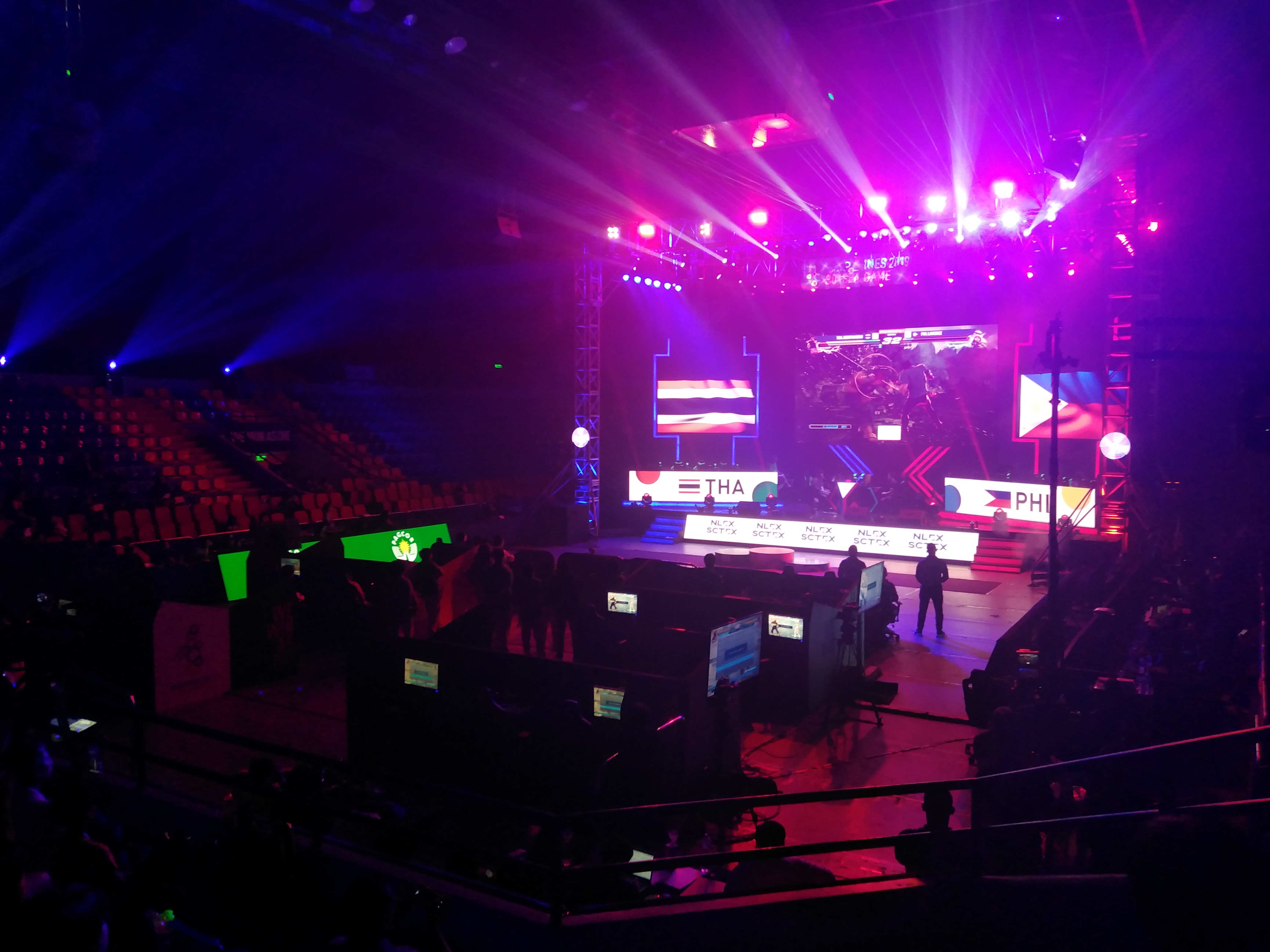
The release of Silksong also lands in a year defined by massive industry events. The Esports World Cup 2026, kicking off in Paris with a $75 million prize pool, features titles like Call of Duty and League of Legends, highlighting the dominance of competitive multiplayer. In contrast, Silksong is a solitary, single-player experience. Its success is a reminder that not all gaming needs to be a live-service, competitive grind. It is a testament to the power of a curated, authored experience. As the BBC noted, the Esports World Cup is a global spectacle, but the quiet joy of discovering a hidden passage in Pharloom is a different kind of magic.
Why It Matters for Professionals
For anyone in tech, design, or business, Silksong offers several lessons. First, it proves that a small, independent team can outpace major studios by focusing on a singular, polished vision. Team Cherry, with fewer than a dozen core developers, delivered a product that competes with AAA titles on quality. Second, it demonstrates the power of community trust. By not over-promising and by delivering a finished, bug-free product, they earned goodwill that no marketing budget could buy. Third, it shows that innovation doesn't require abandoning a proven formula. The changes to movement and combat are incremental, not revolutionary, but they feel transformative because they are built on a rock-solid foundation.
The Takeaway
Hollow Knight: Silksong is not just the best video game release of 2026 so far; it is a benchmark. It proves that a sequel can be both familiar and fresh, that patience can be rewarded, and that a small team with a clear vision can create something that resonates globally. Whether you play it for the challenge, the art, or the story, it is a reminder of why we play games in the first place: to explore, to struggle, and to triumph. In a year dominated by billion-dollar esports tournaments and endless live-service updates, Silksong is a quiet, brilliant masterpiece that demands to be played.