Why the Esports World Cup 2026 Is Redefining Competitive Gaming
As Paris prepares to host a $75 million tournament, the line between video game spectacle and traditional sport has never been thinner.
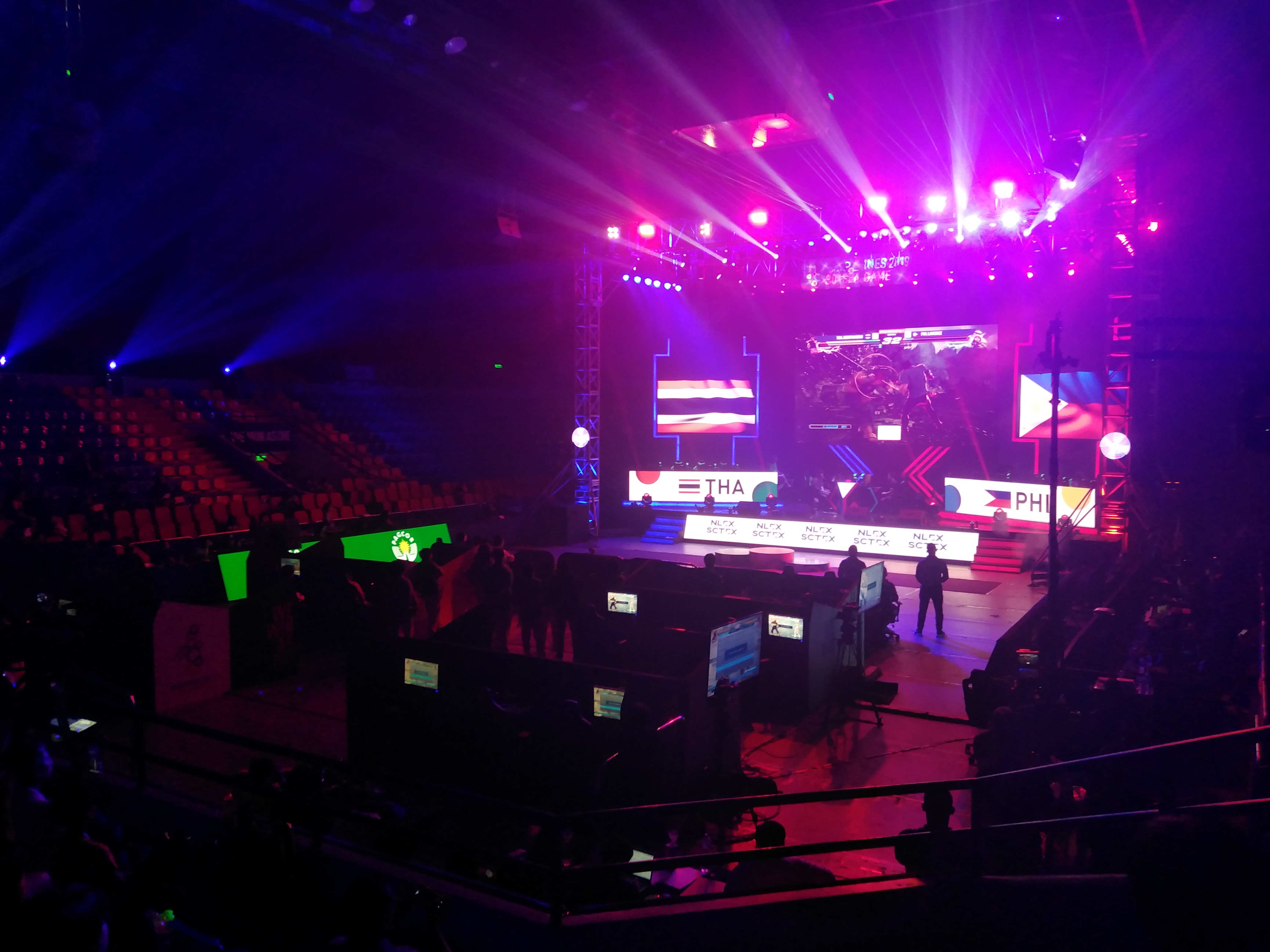
In less than two weeks, the Esports World Cup 2026 kicks off in Paris, and the numbers are staggering: a $75 million prize pool, seven weeks of competition, and a venue that signals a definitive shift in how the world views competitive gaming. But beneath the headline-grabbing figures lies a deeper story about what makes this event—and the games that fuel it—a genuine cultural milestone.
The question isn't just which titles you should play this year; it's why the ecosystem around them has matured into something that rivals—and in some ways surpasses—traditional sports. The answer involves a convergence of technology, community, and institutional investment that was unimaginable a decade ago.
From Niche to Mainstage: The Esports World Cup's Journey
The Esports World Cup didn't materialize out of thin air. It represents years of grassroots growth, corporate experimentation, and a persistent belief that competitive gaming could draw audiences on par with the Super Bowl or the World Cup. This year's Paris edition, hosted at a venue that organizers say will boost European fan access, features marquee titles like Call of Duty and League of Legends—games that have become household names.
But the real innovation is structural. The $75 million prize pool isn't just a marketing gimmick; it's a signal to players, teams, and sponsors that esports can offer sustainable careers. For context, that figure dwarfs the prize pools of most traditional sporting events. The 2023 PGA Tour's total prize money across all tournaments was roughly $430 million, but that was spread over 40-plus events. The Esports World Cup concentrates a significant portion of its wealth into a single, multi-week festival of competition.
The Games Driving the Boom
While the Esports World Cup highlights blockbusters, the broader landscape of 2026 is defined by both resurgence and innovation. According to community discussions on r/esports, Counter-Strike has staged a notable comeback after a rocky period following the release of Counter-Strike 2. For nearly three years, the game's competitive scene felt adrift, but late-summer 2025 brought renewed vitality. This mirrors a pattern in gaming: a franchise can falter, but a dedicated community and responsive developers can pull it back from the brink.
Meanwhile, events like Summer Game Fest 2026, held at Los Angeles's Dolby Theatre and hosted by Geoff Keighley and Lucy James, continue to serve as the industry's annual showcase for what's next. These presentations are no longer just about hype; they're about demonstrating technical prowess and narrative ambition. The games announced there often set the agenda for the following year's esports circuits.
Why Esports Matters Beyond the Screen
To understand why the Esports World Cup is a must-watch event, you have to grasp a fundamental shift in how we define sport. Traditional athletics rely on physical prowess, but esports demands a different kind of excellence: split-second decision-making, extraordinary hand-eye coordination, and the mental stamina to perform under intense pressure. The players are athletes in every meaningful sense, training for hours daily, reviewing footage, and working with coaches and sports psychologists.
The United States Armed Forces have recognized this. The 2026 Armed Forces Esports Championship, won by the U.S. Air Force Esports team in April, underscores that competitive gaming is now embedded in institutional culture. According to the Armed Forces Sports website, the event featured two days of intense competition. This isn't a fringe activity; it's a legitimate arena for showcasing discipline and skill.
The Technology Behind the Spectacle
CES 2026 highlighted how gaming and esports are driving innovation across hardware and software. From ultra-low-latency displays to AI-powered coaching tools, the tech that powers competitive gaming is bleeding into other industries. The same AI that helps a League of Legends player analyze their map movements can be repurposed for surgical simulations or logistics planning. Gaming isn't just entertainment; it's a proving ground for human-machine interaction.
One of the most compelling developments is the way esports organizations are expanding their intellectual property beyond games. As noted at CES, the trend is moving "from games to universes," where franchises become transmedia phenomena. A successful esports title today might spawn a streaming series, a line of merchandise, and even educational programs. This ecosystem creates a virtuous cycle: more fans mean more investment, which leads to better production values, which attracts even more viewers.
The Human Element
Behind the prize pools and production budgets are stories of individual triumph and collective effort. A Facebook post from the Esports World Cup captures the emotional core: "The players. The pressure. The moments that changed everything." This is a reminder that esports, at its heart, is about human achievement. The players are not anonymous avatars; they are young people who have dedicated years to mastering their craft.
The Esports World Cup's Paris venue is a deliberate choice to make these stories accessible to European fans who have long felt underserved by events concentrated in Asia and North America. The BBC reported that the seven-week schedule and central location are expected to draw record crowds. This geographic diversification is crucial for the sport's long-term health.
What to Play and Watch in 2026
If you're a curious professional looking to understand why this matters, start with the games that anchor the competitive scene. League of Legends remains the gold standard for strategic depth, with a learning curve that rewards both mechanical skill and tactical thinking. Call of Duty offers a more accessible entry point, emphasizing reflexes and teamwork. And if you want to witness a comeback story, watch the Counter-Strike tournaments—the game's resurgence is a testament to community resilience.
But don't just watch. Play. The best way to understand the appeal of esports is to experience the pressure of a close match yourself. You'll quickly realize why these players are exceptional.
The Takeaway: A New Kind of Spectacle
The Esports World Cup 2026 is more than a tournament; it's a declaration that competitive gaming has arrived as a mainstream cultural force. The $75 million prize pool, the Paris venue, the institutional support from organizations like the U.S. military—all of these signal a permanence that skeptics once doubted.
For the curious professional, the lesson is clear: esports is not a fad. It is a rapidly maturing industry that combines technology, entertainment, and athleticism in ways that traditional sports cannot replicate. As the players take the stage in Paris, they will be competing not just for a share of that massive prize pool, but for a place in a new kind of history.
Whether you're a gamer or not, this is a story worth following—because it's about how we compete, connect, and define excellence in the 21st century.


